

Over the years, the FGN has continued to support several initiatives and actions. in ending the practice of gas flaring in our oil fields. This investment came at the right time, The Nigerian Gas flare commercialization programme(NGFCP) seeks to attract investment. & develop a transparent market mechanism which is globally accepted. With this investment, the gas will be put to good use.
According to Gbenga Komolafe NUPRC Chief Executive, The wasteful disposal of natural gas is not only fraught with health and environmental consequences but also a major source of resource waste and green gas emissions, it accounts for 6% global emissions. By connecting it to pipeline, to use them for power generations or capturing for other purpose. Gas pipeline project will not only put the gas to good use, it will generate foreign exchange to Nigeria.
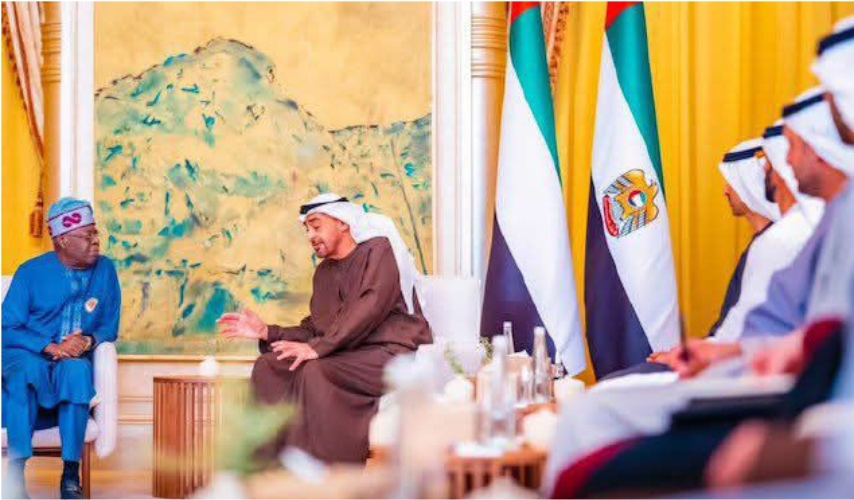
The United Arab Emirates has pledged its support for a $25 billion gas pipeline that will link Nigeria to Morocco and eventually reach Europe, marking a significant step in what is being described as one of Africa’s most ambitious infrastructure projects.
Leila Benali, Morocco’s minister of energy transition and sustainable development, announced the UAE’s involvement during a session with lawmakers.
“As for finance, the project has won the support of IDB, OPEC Fund, EIB and the UAE,” she said, listing the growing number of international partners backing the venture.
Named the African-Atlantic Gas Pipeline, the project will stretch 6,800 kilometres—including 5,100 kilometres offshore—making it the longest offshore gas pipeline in the world upon completion.
It will transport natural gas from Nigeria’s reserves through 15 West African countries to Morocco’s southern city of Dakhla, and then northward to European markets.
Moroccan officials have been talking up the prospects for the long-planned, 7,000km Africa- Atlantic Gas Pipeline, which will take Nigerian gas to Morocco and on to Europe. The UAE has been named as an investor in the scheme, alongside multilateral lenders.
Benali also said that Morocco has finished all feasibility and and Front End Engineering Design stages needed for the pipeline. The gas pipeline, now called the “African-Atlantic Gas Pipeline”, will connect Nigeria’s gas network with Morocco’s southern city of Dakhla and then go northward toward Europe.
The line will pass through 15 African countries, boosting trade, development, and access to electricity in the region. With more than 400 million people living along its route, the pipeline is seen as a key driver of regional integration, industrial growth, and improved infrastructure.
Morocco and Nigeria have set up a joint venture to manage the project. They signed a financing agreement earlier to help move it forward.
Benali added that Morocco also aims to become a regional leader in clean energy, with high potential to produce green hydrogen and other renewable resources.
China’s Jingye Steel Group a notable steel Company with strong base in U.K has been awarded the contract to supply pipes for the construction.
