

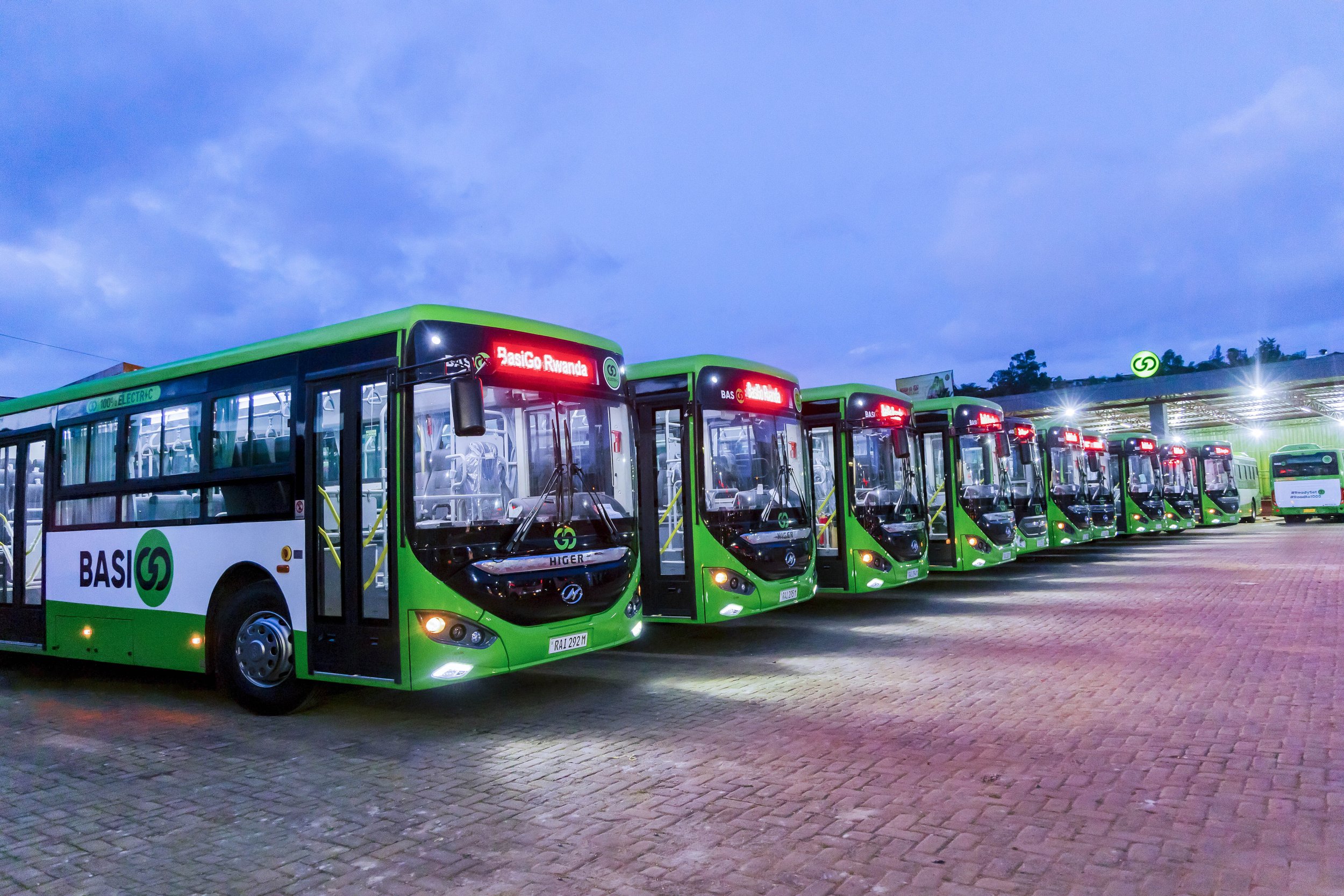
BasiGo, a Nairobi-based electric mobility startup, is doubling down on its mission to lead Kenya’s clean transport future. It plans to deploy 1,000 battery-powered electric buses on Kenyan roads over the next two years.
Road transport accounts for over 40% of Kenya’s energy consumption and is a major emission source. Kenya spends over $5 billion annually on fuel imports. BaisGo wants to see some of these expenses go into the electric mobility space in Kenya, but ambition may not always translate into reality.
Kenya still lacks a comprehensive policy framework to support the efforts of electric mobility players. Rwanda, for example, has removed import duties on electric vehicles to support widespread adoption. South Africa’s power utility company, Eskom, has also committed to providing public 55 charging stations over the next two years to support EV adoption. Improper access to charging stations and high cost barriers to electric vehicles (EVs) continue to delay adoption.
BasiGo is working on a leasing model to help buyers overcome cost and infrastructure barriers by providing operators with maintenance and charging services. It also plans to expand into Nigerian and Tanzanian markets. The future of EV adoption in Africa might rely on businesses and startups providing electric-powered commercial bus systems and motorcycles.
While Kenya’s consumers will not immediately have the luxury of buying first-hand EVs, BasiGo’s push could lay the foundation for the necessary cost incentives and infrastructure workarounds to foster real, local EV demand like in South Africa
