

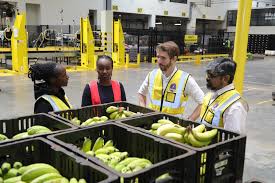
Twiga Foods, a Kenyan e-commerce company, once promised to fix the country’s broken food supply chain by owning all of it—from farm to market. That vision helped it raise over $180 million. But on June 5, it hit pause on operations in Nairobi.
Why? Officially, Twiga says the two-month break is to relocate its distribution hub from Tatu City to somewhere closer to the capital. The company is considering possible new locations Baba Dogo, Mombasa Road, and Syokimau, for its new distribution hub.
Yet, behind that move is a deeper reset. The company is walking away from the heavy infrastructure it once saw as its edge.
It took Twiga too long to admit its capital-heavy model wasn’t working. It tried to be a farmer, a warehouse operator, and a delivery company all at once—and bled money doing it. Now it’s trying a different approach. It has cut hundreds of jobs, bought up three local distributors, and is shifting to a leaner model that uses tech and third-party partners to do the hard work.
The Nairobi pause is the latest step in that shift. Twiga hopes that centralising its operations and moving to a lighter footprint will help it lower costs, speed up deliveries, and keep retailers stocked.
But none of this guarantees a turnaround. Copia Global once had a similar story—and it shut down in 2024 after running out of cash. Twiga says it’s still committed to serving small retailers and believes it can make the numbers work. The next two months could tell us if that belief holds up.
